
FEATURED
02:10
Urban LegendsMetro Manila
Junjun — The Call Center Ghost
Every BPO floor in the country has heard the name. Nobody agrees on which building it happened in.
Every terror documented. Every legend preserved. Filipino horror stories, Tagalog-narrated ghost stories and folklore-inspired tales, all in one archive.
Every BPO floor in the country has heard the name. Nobody agrees on which building it happened in.

For years it was Metro Manila's default haunted mall. Then it burned down and was rebuilt under another name.

The nightmare ended when she woke up. The face under the bamboo floor did not.

Taxi drivers still avoid the street at night. She is the reason the whole country knows its name.

A seminary, then a wartime refuge, then a hotel, then nothing. Baguio's default haunted address.

The country's most successful corporate rumour: a fitting room, a trapdoor, and something in the basement.

162 people went in for an ordinary night. The fire was not the worst part — the exit was.
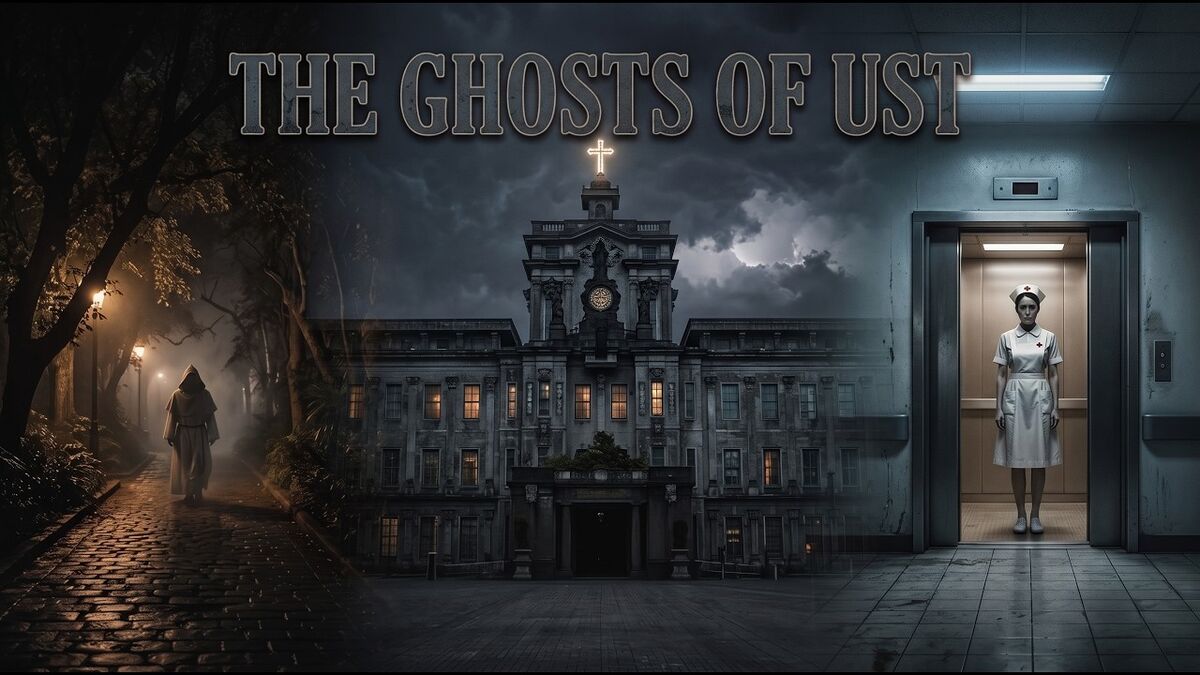
Four centuries of campus. A friar on a garden bench, and a nurse with no face in the lift.
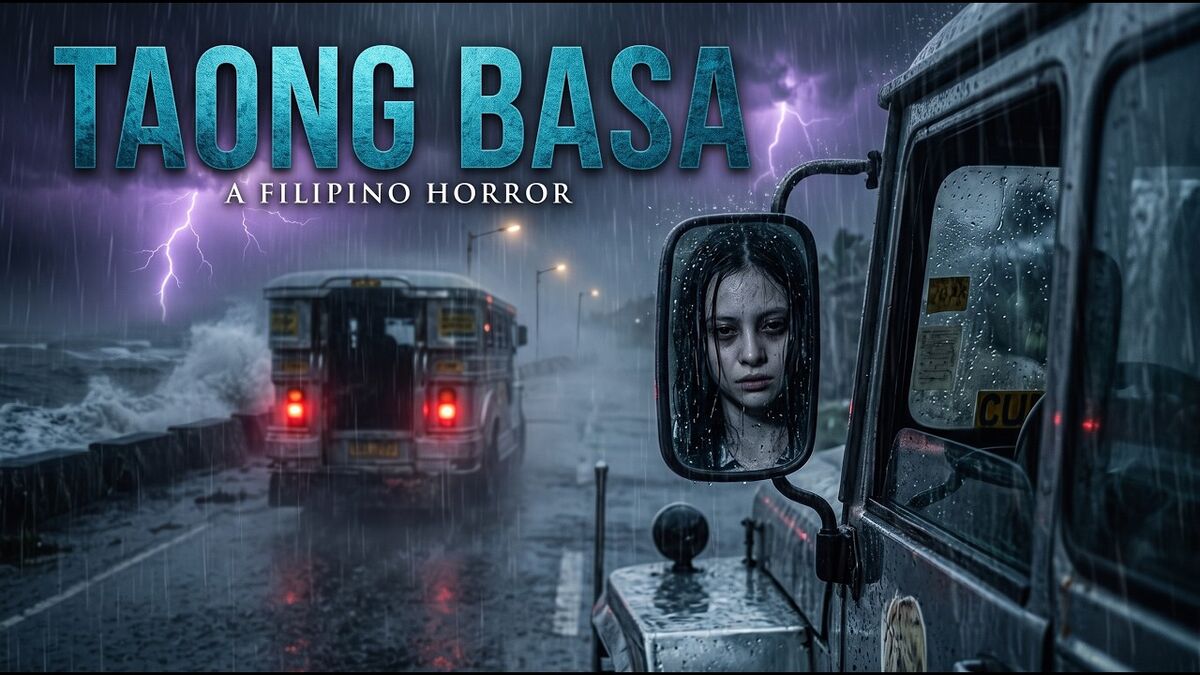
After the water went back out, people said the ones it took were still walking the coast road.
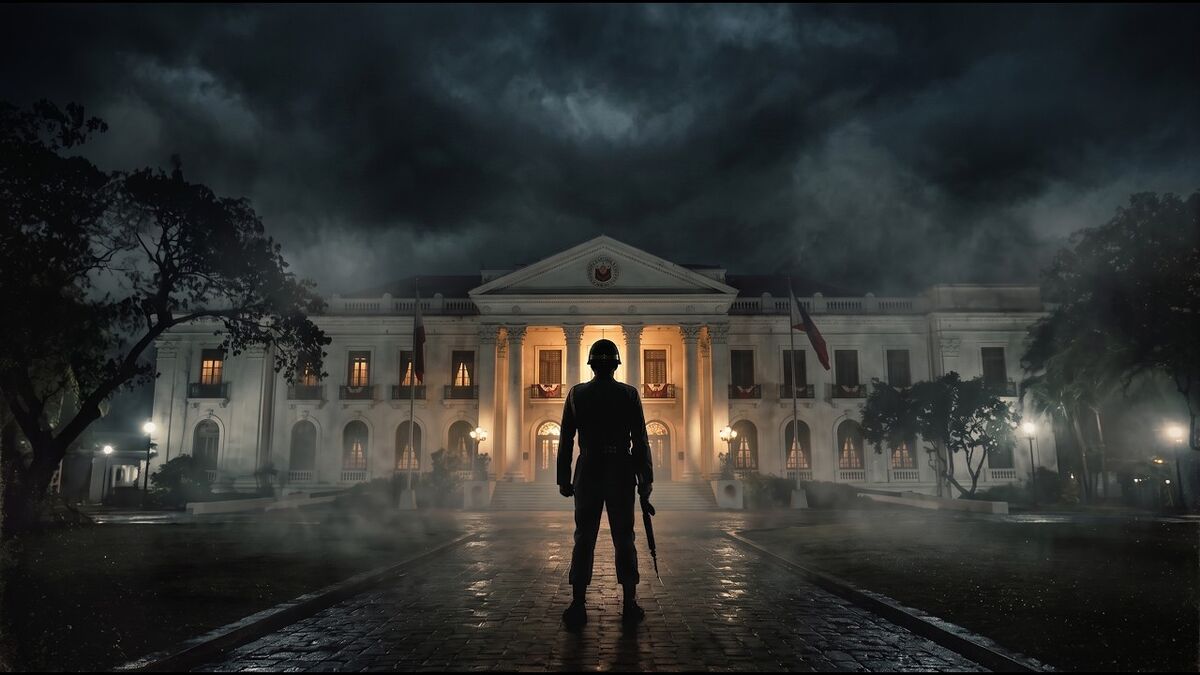
Presidents, their families, and their security detail have all reported the same corridors.
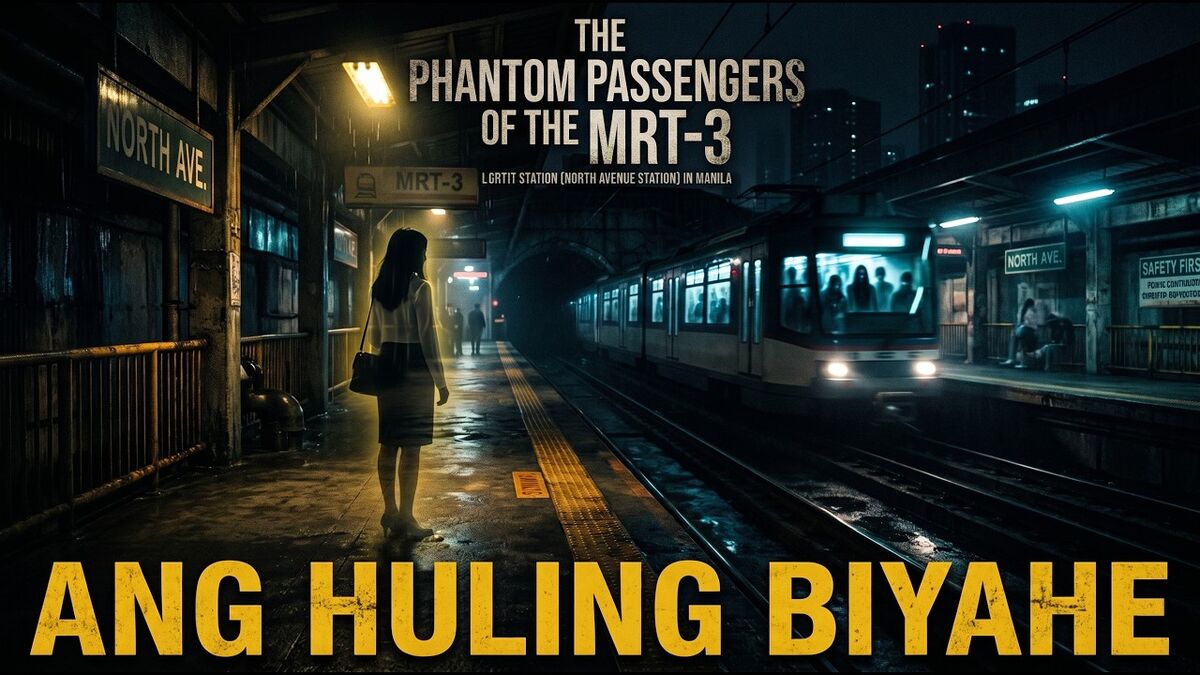
A fully loaded train, running the line with its headlights off, hours after the power was cut.
No shop sells one. Every Filipino teenager knows how to build one out of paper and a drinking glass.

Two decades of unfinished concrete on Ayala Avenue. They say not every worker left.

Letran, Mapúa, Lyceum. Before your next late review session, check who is sitting behind you.

The wards treated wounded soldiers for decades. The building was abandoned; the stories were not.

The office is dark and you are the only one awake. So who is typing at the desk behind you?

A building rushed to a deadline, a collapse in 1981, and a death toll nobody ever settled.

You cross that bridge every day. More than a thousand people died on this ground.

From above, the building is shaped like a coffin. Nobody wants to be the last one inside at six.

She left to work abroad for her family. What came home was not what left.

One of the country's grandest hotels, and one floor the staff talk about carefully.
Over 100,000 civilians died in thirty days. The city was rebuilt. The ground was not replaced.
They say a boy was left in an office lobby. This is the part of the story nobody tells first.
In December 1987, more than 4,300 people vanished into the Tablas Strait in less than two hours. Ghost ships have been reported in those waters ever since.
On 4 February 2006, 30,000 people gathered outside PhilSports Stadium in Pasig for the anniversary of a noontime TV show. Seventy-three of them never made it home.

On 10 July 2000, the Payatas trash mound in Quezon City collapsed after days of rain, burying hundreds of families. The site has been heard from ever since.
In June 2008, Typhoon Frank sank the MV Princess of the Stars in the Sibuyan Sea with more than 800 people on board. The wreck was never fully salvaged.
Under Intramuros, the Spanish built stone dungeons below the high-tide line. The Japanese used them. The water did the rest. The sounds are still heard today.

In the 1820s, Manila was dying of cholera. The Spanish built a circular cemetery to hold the dead — and then used it as a picnic ground. The dead stayed.
In 1906, the American colonial government declared Culion Island in Palawan a compulsory leper colony. Tens of thousands were sent there and never came back. The island has not forgotten.
In May 2017, government forces and ISIS-affiliated militants fought a five-month urban battle through the streets of Marawi City. The ruins have not been silent since.
On 28 September 1901, Filipino resisters killed 54 American soldiers in a surprise assault on the town of Balangiga. What followed was one of the bloodiest American reprisals of the Philippine-American War — and a church whose bells have never fully stopped ringing.

On 15 October 2013, a 7.2 magnitude earthquake struck Bohol, killing 222 people and collapsing churches that had stood for 400 years. Their ruins have not been empty since.